

Strength Training for Older Adults: Build Strength, Move Better, Live Stronger
Strength Training for Older Adults: Build Strength, Move Better, Live Stronger
Getting older doesn’t mean you have to slow down.
In fact, staying strong can make everyday life feel easier—from getting out of a chair and climbing stairs to carrying groceries, playing with the grandkids, or simply moving around with greater confidence.
Strength training for older adults is more than lifting weights. It is a practical way to support muscle strength, mobility, balance and independence as you age.
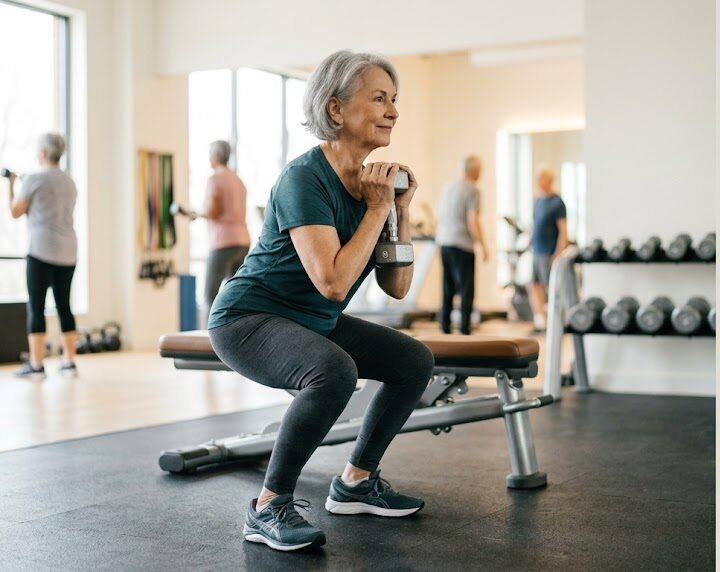
Why Strength Matters More as You Age
As we get older, changes in muscle mass, strength, bone health and mobility can make everyday physical tasks more challenging. Snap Fitness highlights strength training as one way older adults can help maintain muscle, mobility and physical function.
The CDC recommends that adults aged 65 and older include muscle-strengthening activities at least two days each week, along with aerobic and balance activities.
That doesn’t mean every workout needs to be intense.
The goal is to build a consistent routine that matches your current ability—and gradually develop strength and confidence over time.
The Benefits of Strength Training for Older Adults
1. Support Muscle Strength
Muscle strength plays a role in almost everything you do.
Standing up, walking, lifting objects and climbing stairs all require your muscles to work. Regular muscle-strengthening activity can help older adults maintain or build strength and support everyday physical function.
Think of strength training as practicing for real life.
The stronger your body becomes, the more prepared you may be for the physical demands of daily activities.
2. Improve Balance and Stability
Balance becomes increasingly important with age.
Strengthening the muscles of the legs, hips and core can contribute to better physical function and balance. The CDC recommends that older adults include balance activities as part of their weekly physical activity.

Simple movements such as supported squats, calf raises and controlled lower-body exercises can be incorporated into a broader fitness routine.
3. Make Everyday Movement Easier
Fitness isn’t only about what happens inside a gym.
It shows up when you carry shopping bags, get up from a sofa, walk through a park or climb a flight of stairs.
Regular physical activity can help older adults maintain the ability to perform everyday activities and live independently for longer.
That’s one of the biggest reasons to make strength training part of an active lifestyle: you are training for the life you want to keep living.
4. Support Bone Health and Healthy Aging
Healthy aging involves more than maintaining muscle.
Physical activity can also support bone health, while a varied exercise routine can help maintain physical function.
Strength training can therefore be one piece of a broader approach to staying active as you age.
5 Beginner-Friendly Strength Exercises for Older Adults
You don’t need a complicated workout to begin.
Depending on your fitness level and individual circumstances, several basic movements can form the foundation of a strength-training routine.
Chair Squats
Why: Lower-body strength and functional movement.
Stand in front of a sturdy chair with your feet approximately hip-width apart. Slowly bend your knees and hips to lower yourself toward the chair, then stand back up with control.
A chair can provide additional support and make the movement easier to manage.
Standing Calf Raises
Why: Lower-leg strength and stability.
Stand tall while holding a stable surface if needed. Slowly raise your heels, pause briefly, and lower them back down with control.
Snap Fitness includes standing calf raises among its suggested exercises for older adults.
Resistance-Band Exercises
Why: Adjustable resistance and accessible strength training.
Resistance bands can be useful for beginners because they are portable and available in different resistance levels. Snap Fitness recommends starting with manageable resistance and progressing gradually.
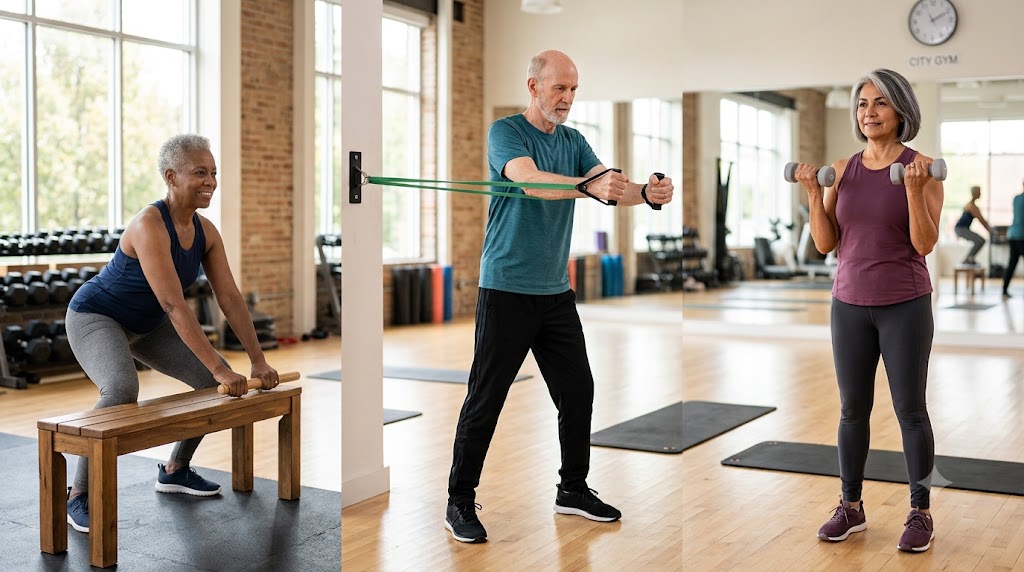
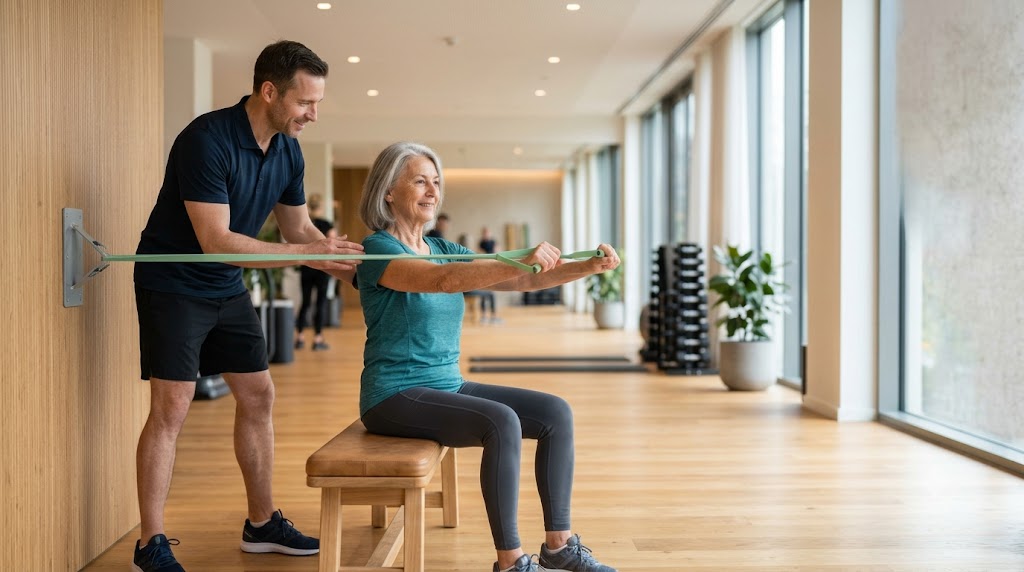
Seated Rows
Why: Upper-body and back strength.
A seated rowing movement can work the muscles of the upper body. In a gym setting, a cable machine may be used, with attention to controlled movement and good posture.
Supported Lunges
Why: Lower-body strength and coordination.
A stationary or supported lunge can challenge the legs while allowing you to focus on controlled movement. If balance is a concern, use appropriate support rather than forcing the movement.
Important: Exercise selection, resistance and technique should be adapted to your abilities and health circumstances. If you’re new to exercise or have a health condition, speak with a qualified healthcare professional before beginning a new exercise program.
How to Start Strength Training Safely
Starting doesn’t have to mean doing more.
It means doing what you can consistently and with control.
Here are a few simple principles:
Start light. Choose a resistance level that allows you to focus on technique.
Prioritize form. Controlled repetitions are more useful than rushing through a movement.
Use support when necessary. A sturdy chair, countertop or appropriate gym equipment can provide stability during standing exercises.
Progress gradually. As your strength and confidence improve, resistance, repetitions or sets can be increased progressively rather than changed dramatically all at once.
Make recovery part of the plan. Your routine should allow appropriate recovery between strength-training sessions.
The CDC notes that older adults should be physically active according to their abilities and conditions, and that some physical activity is better than none.
A Simple Weekly Approach
For adults 65 and older, current CDC guidance calls for:
- 150 minutes of moderate-intensity aerobic activity per week, or an equivalent combination of moderate and vigorous activity
- Muscle-strengthening activity at least 2 days per week
- Balance activities as part of the weekly routine
Your routine doesn’t have to look exactly like someone else’s.
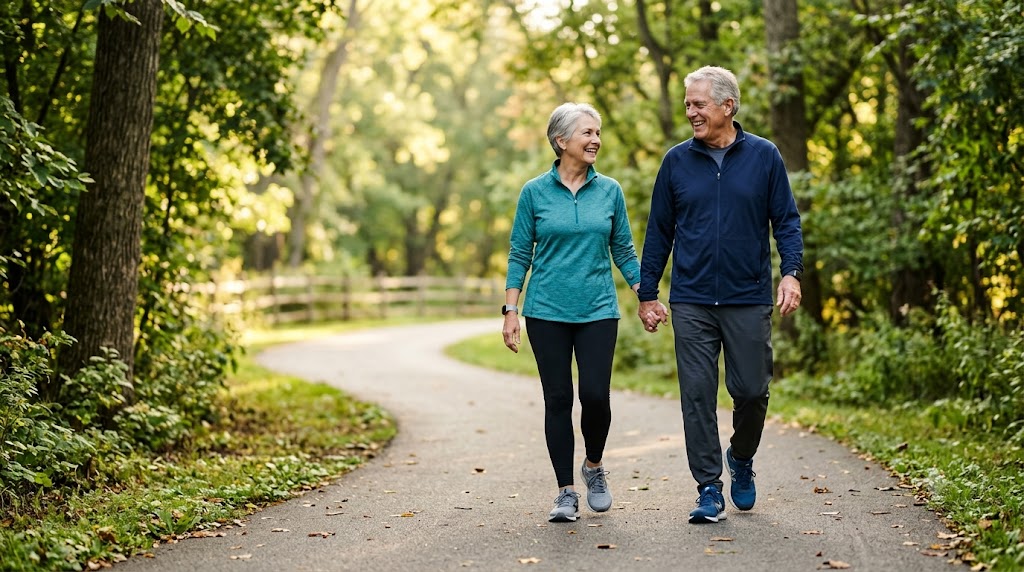
A brisk walk, two strength sessions and regular balance-focused activities can form part of a weekly plan, depending on your abilities and circumstances.
Stronger Isn’t Just a Fitness Goal—It’s a Lifestyle Goal
Aging is inevitable. Losing the ability to do the things you enjoy doesn’t have to be the goal.
Strength training for older adults can help you stay connected to the activities that make everyday life meaningful. It can support muscle strength, physical function, balance and independence as part of an overall active lifestyle.
You don’t need to become a competitive weightlifter.
You simply need to start where you are, choose movements appropriate for you, and build consistency.
Ready to make strength part of your healthy-aging routine?
Visit your local gym, talk with a qualified fitness professional about your goals, and find a starting point that works for your current ability.
Because getting older shouldn’t mean giving up strength.
It can mean becoming stronger for the life you still want to live.